Q: Can I order directly from this web site?
A: No, this is not a feature that we offer at this time. If you are a Maxilite distributor, please contact us directly at 604-461-4741 to place your order. If you are residential customer, please contact the Maxilite sales representative in your area. To find a sales representative nearest you please click here.
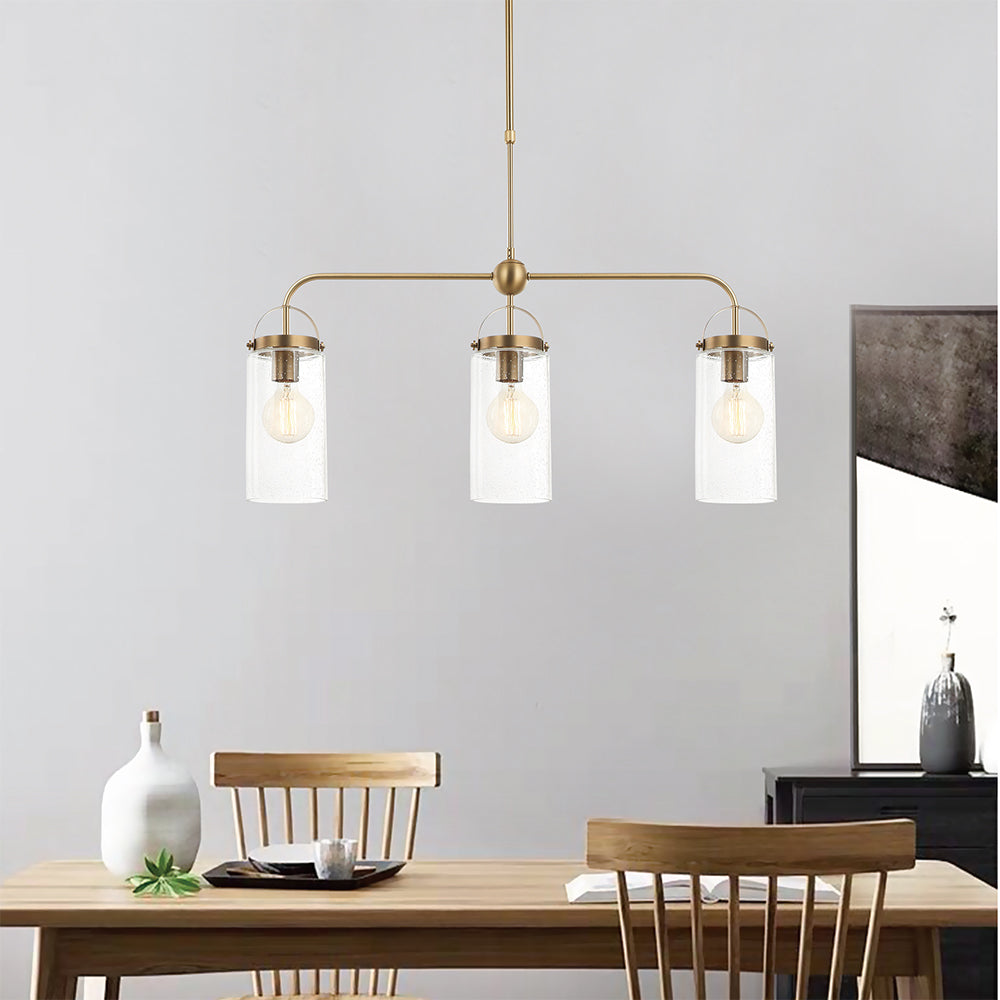
Q: How do I determine the proper size chandelier for a dining table?
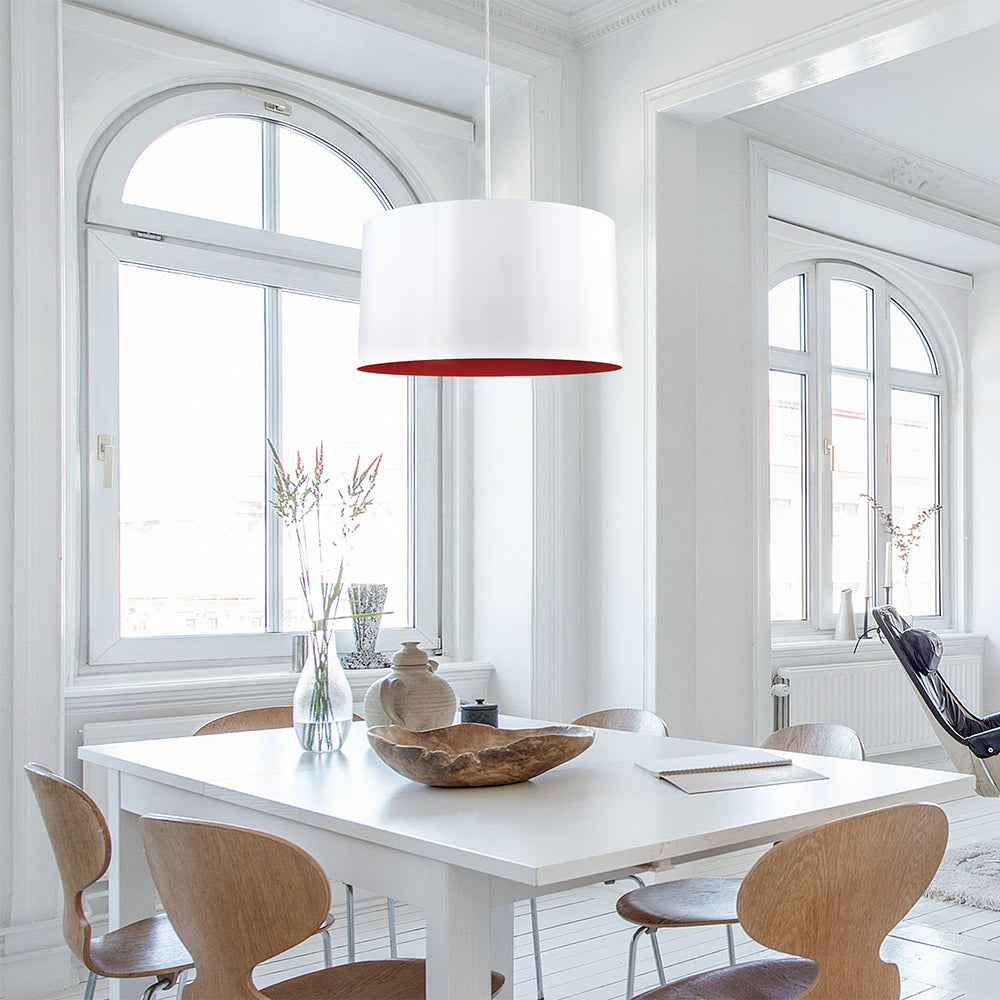
A: A good rule of thumb is to choose a chandelier with a diameter equal to 1/2 the width of the table. For instance, if the width of your table is 54", select a chandelier that has a diameter of 27". The chandelier should be hung so the bottom of the fixture is approximately 30" above the tabletop.
Q: How do I determine the proper size chandelier for a foyer?
A: To determine what size of a chandelier would fit best in a foyer-or any room-simply add the room dimensions together. For example, if your foyer is 12' by 16,' add 12 + 16 = 28. The proper size chandelier for this foyer would be 28" in diameter.
Q: What's the proper height to install wall sconces?
A: Sconces should be installed on the wall 60" from the floor. If you choose to utilize sconces to illuminate hallways, then the sconces should be placed eight to ten feet apart
Q: How can I get optimal lighting in my bathroom?
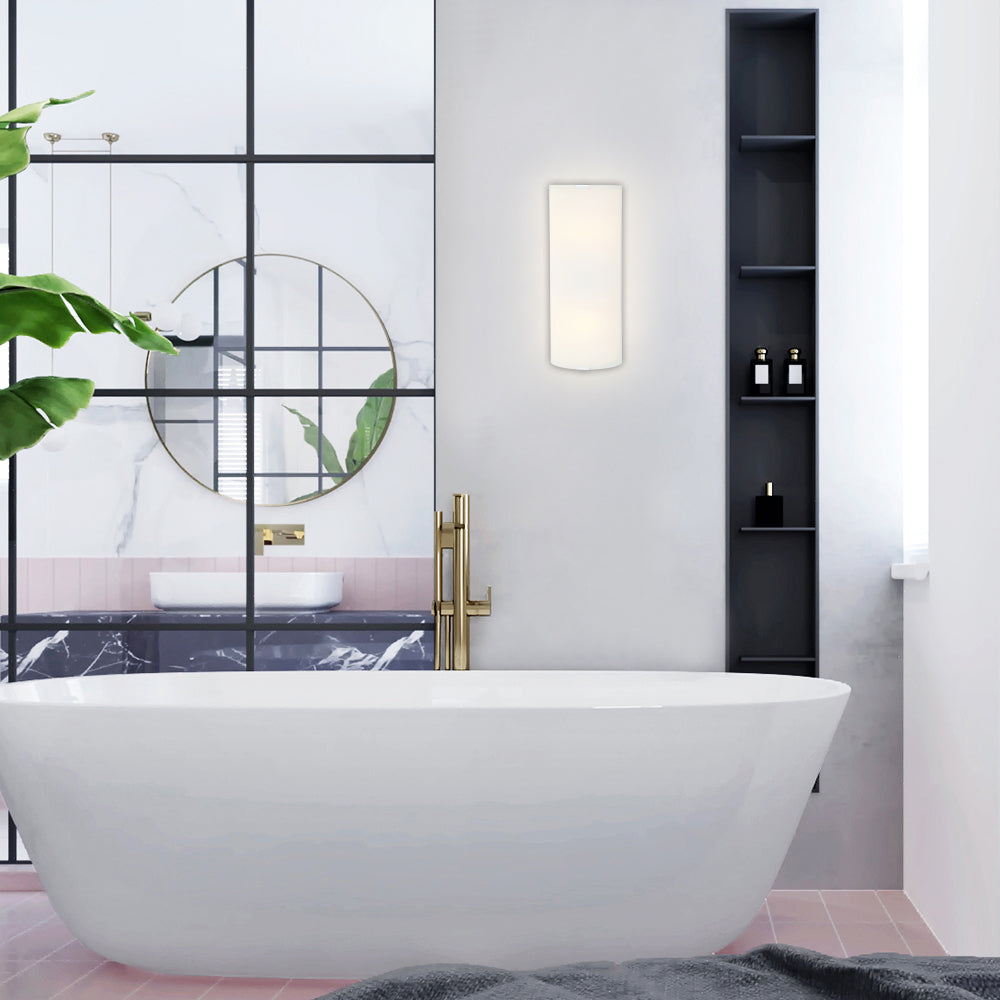
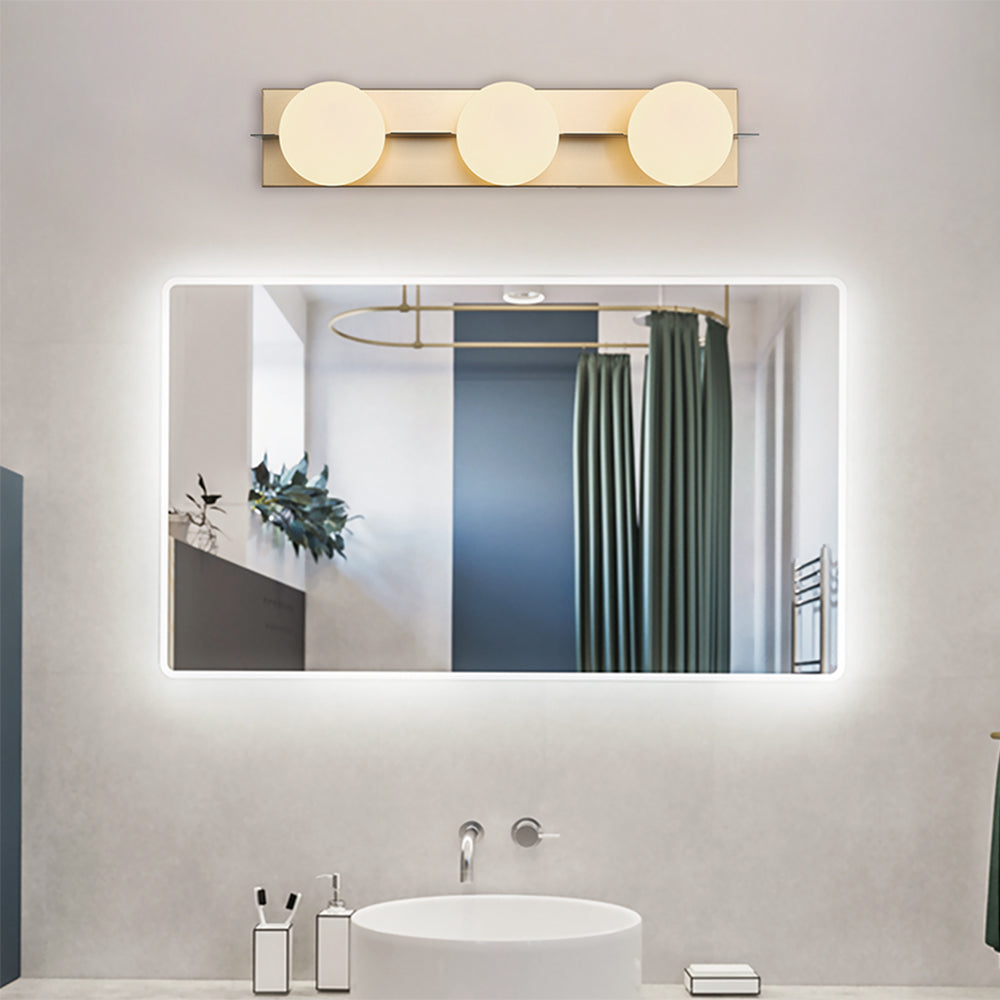
A: For optimal bathroom lighting, fixtures that feature incandescent bulbs behind diffusers radiate the most flattering light and color. You can also use more than just bath lighting strips. Try sconces on either side of a mirror, and a ceiling fixture, for balanced bathroom lighting throughout the room. Larger baths are very popular today, and a small chandelier over the bath can create a great effect.
Q: What is alabaster?
A: Alabaster is a naturally translucent stone known to geologists as hydrated calcium sulfate. This crystalline mineral in its dehydrated form is gypsum. There are three major types of alabaster with varying degrees of opacity. Its most translucent form is used to make shades and bowls for lighting fixtures, components that might otherwise be made of glass. Lamp bases and smaller components can be crafted from all three types.
Q: Why is alabaster expensive?
A: Compared to other stones like marble and granite, white translucent alabaster is relatively limited in supply. It is also difficult and costly to quarry. Most alabaster is quarried from alluvial deposits in Spain, where alabaster is found in rocks surrounded by other minerals. Because alabaster in its natural state deteriorates when exposed to extreme temperatures and weather conditions, heavy earth moving and digging equipment must be used to source deeper reserves.
What happens to alabaster when it is worked also adds to its cost. Up to 75 percent of a rock, which is bought by weight, is trimmed in the process of creating solid cylinders from the heart of the stone. Once the "corazon", or heart, of the stone is revealed, some stones are so heavily veined as to be unusable for all but the smallest objects.
Q: If alabaster is sensitive to heat, how can it be used in lighting?
A: Alabaster's warm coloration and veining gives lighting a beautiful, soft glow. Careful design and engineering creates even light, prevents shadow, and lessens heat build-up in alabaster fixtures. It's important to make sure that the bulb light source is as far away from the alabaster as possible. Don't confuse natural veining with heat discoloration. Heat-affected areas turn opaque and chalky white as water evaporates from the inside out. An irregular, dark line on the outside with no chalky area on the inside tells you it's just a vein. Remember too that the discoloration will take the shape of the bulb.
Q: Is it possible to guarantee that the alabaster will match in a family of fixtures?
A: No. The variation in veining and colour that occur naturally between rocks enhances alabaster's charm. Many individual rocks will produce only one large piece, making it one-of-a-kind in terms of the alabaster's character.
Q: How do I clean my alabaster fixture?
A: Gently wipe the alabaster clean with a soft cloth that's damp, not wet. Do not use commercial cleaners. Alabaster scratches easily, so abrasives also should be avoided. If you handle your fixture with care, its natural beauty will provide years of enjoyment.
|